Bear Pride Embroidery Design
First Impressions: Warm, Bold, and Unmistakably Handmade
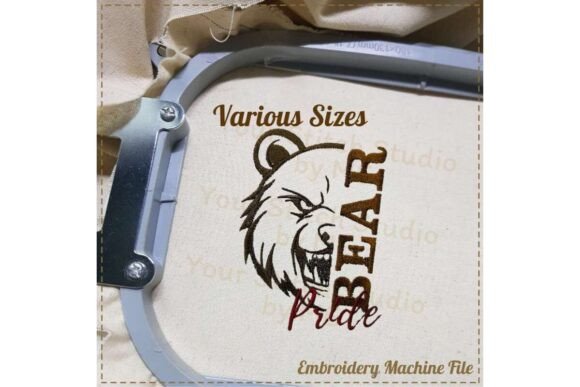
When I opened the Bear Pride Embroidery Design file, what struck me first wasn’t just the shape—it was the *attitude*. This isn’t a timid or overly stylized bear; it’s grounded, friendly, and quietly confident. The silhouette balances soft curves with clean outlines—no fussy claws or exaggerated features that risk distortion on fabric. It reads instantly as “bear,” but also as “pride”: inclusive, gentle strength. That duality makes it work across audiences—from a cozy baby onesie to a bold tote bag at a community event. As a designer who tests dozens of embroidery files weekly, I immediately pictured it stitched in matte cotton thread on a natural linen tote: relaxed but intentional, personal but polished.
Where It Shines: Real Projects, Real Customers
I tested Bear Pride Embroidery Design on three real items: a midweight organic cotton sweatshirt, a 100% linen tea towel, and a recycled-cotton patch sewn onto a denim apron. On the sweatshirt, the design held its shape beautifully—even across the shoulder seam—thanks to thoughtful stitch placement and moderate fill density. No puckering, no thread breaks. On the tea towel, the running stitch accents around the bear’s outline added subtle texture without overwhelming the fabric’s drape. And as an embroidered patch? It layered cleanly over denim, holding crisp edges after two washes (cold, air-dried). Customers responded warmly—not just to the symbolism, but to how *crafted* it felt. That matters. A handmade product shouldn’t look like a screen print slapped on; Bear Pride Embroidery Design delivers that quiet professionalism Etsy sellers and boutique owners rely on.
Smart Fit for Your Craft Business
- Tote bags & aprons: Scales well from 3.5" to 5"—ideal for center-chest or lower-front placement without crowding seams.
- Sweatshirts & sweaters: Minimal satin stitch areas mean less shine contrast on textured knits—keeps the focus on form, not finish.
- Baby items & nursery decor: Rounded corners and open negative space avoid sharp visual tension—soothing for tiny spaces and sensitive eyes.
- Holiday or wedding gifts: Works year-round. Stitch it in cream thread on charcoal twill for a winter market, or in sage green on oatmeal canvas for a spring baby shower.
Where to Pause—and Plan Ahead
Bear Pride Embroidery Design is versatile, but not magic. On ultra-thin fabrics like rayon challis or lightweight voile, I recommend adding tear-away + cut-away stabilizer combo—especially under the bear’s rounded belly area where fill stitch concentration can cause shadowing. On dark fabric, test thread colors thoroughly: a light heather gray thread reads softer than stark white, preserving warmth. And while it’s fine for curved surfaces like caps, keep hoop size in mind—the full design fits comfortably in a 4x4 hoop, but tight curves may require re-hooping if your cap frame doesn’t allow full access. Also: avoid layering it directly over thick seams (like backpack straps) unless you’re willing to add extra foam stabilizer underneath.
Design Integrity in Action
This machine embroidery design doesn’t try to be everything. It doesn’t include optional applique elements, extra fonts, or seasonal variants—so don’t expect built-in customization layers. What it does offer is consistency: clear stitch paths, balanced density, and a layout that avoids tiny interior details prone to fraying or misalignment. That’s gold for commercial embroidery. When your client sees the finished sweatshirt, they’re not squinting at broken stitches—they’re feeling seen. That builds trust faster than any marketing copy. For Etsy sellers, that translates to fewer returns, more repeat buyers, and photos customers actually want to share.
Your Practical Designer Checklist
- Always run a test stitch on scrap fabric matching your final project’s weight and stretch.
- Check thread color contrast on both light and dark backgrounds—especially if selling digital embroidery files alongside physical products.
- Review stitch density in the bear’s body area: moderate fill means less risk of stiffness on baby clothes or breathable tees.
- Confirm hoop size compatibility before digitizing mockups—this design works cleanly in standard 4x4, but verify before listing on craft platforms.
- Inspect small details like ear contours and paw outlines in black-and-white preview mode—clarity here predicts clarity in stitching.
- Use appropriate stabilizer: cut-away for knits, tear-away for stable wovens, and fusible for lightweight linens.
- Verify licensing terms before selling finished items or bundling Bear Pride Embroidery Design into digital product kits—commercial use isn’t automatic.
Final Thought: More Than a Design, a Quiet Statement
Bear Pride Embroidery Design earns its place in my go-to folder because it respects both the craft and the customer. It doesn’t shout. It doesn’t overcomplicate. It stitches cleanly, wears well, and carries meaning without leaning on cliché. Whether you’re embroidering a one-of-a-kind personalized gift or building a small shop’s signature line, this machine embroidery design supports your voice—not the other way around. It’s the kind of embroidery file that reminds you why you started stitching in the first place: to make things that feel true.