Flower Branch Embroidery Design
A Practical Review for Small Business Merch & Branded Patches
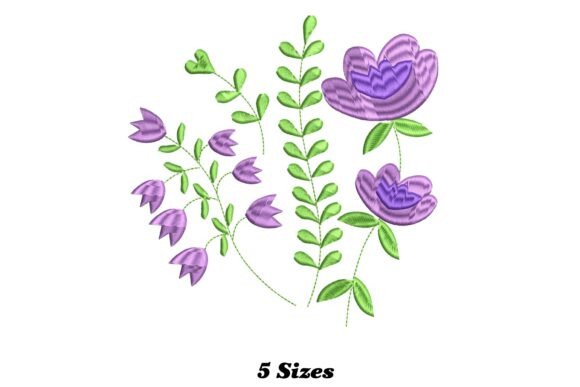
As an embroidery designer who’s digitized and stitched thousands of designs for cafés, boutiques, florists, bakeries, pet brands, and handmade studios, I approach every new machine embroidery design with two questions: “Does it communicate the brand—not just decorate it?” and “Will it hold up in real-world production?” The Flower Branch Embroidery Design immediately stands out in the Single Flowers category—not as a generic floral motif, but as a cohesive, intentional mark. Its title suggests movement and organic flow; its description—“a touch of whimsy charm”—hints at personality without sacrificing polish. That balance is rare—and valuable—for small business merch.
First Impression: Friendly, Handmade, and Professionally Whimsical
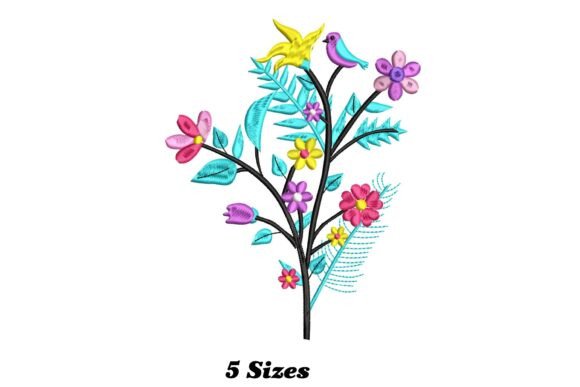
This isn’t a stiff, symmetrical rose or a cartoonish daisy. The Flower Branch Embroidery Design feels intentionally handmade—soft curves, layered petals, subtle stem tapering—but executed with clean vector precision. It reads as elegant on a linen apron, playful on a cotton tote, and premium when stitched in tonal thread on a dark café uniform. For businesses leaning into authenticity—think local florists, ceramic studios, or slow-fashion labels—it reinforces a brand identity rooted in craft, care, and gentle confidence. It avoids looking mass-produced, yet never feels amateurish—a critical distinction when customers equate embroidery quality with product value and trust.
Where It Shines in Real Business Use
The Flower Branch Embroidery Design excels where small businesses need versatility and impact:
- Embroidered patch: Works beautifully as a woven or chenille-style patch—its branching structure gives natural visual weight and edge definition, making it ideal for sew-on branding on jackets, bags, or staff vests.
- Apron embroidery: Perfectly scaled for left-chest placement on denim or canvas aprons—neither overwhelming nor lost. The organic shape softens the formality of workwear while reinforcing artisanal credibility.
- Cap embroidery: When digitized thoughtfully (more on that below), it translates well to curved front panels—especially on structured cotton twill caps used by bakeries or garden centers.
- Tote bag design: Stitches cleanly on medium-weight canvas or duck cloth. Its vertical orientation draws the eye upward, supporting logo hierarchy without competing with printed text.
- Custom apparel accents: Ideal for sleeve details on crewnecks, back-of-neck highlights on tees, or corner motifs on hand towels—adding signature charm without bulk.
- Product packaging accents: As a small embroidered label on reusable gift bags, soap wraps, or tea box tags, it elevates perceived value and signals attention to detail.
Where to Use It Thoughtfully—Not Just Automatically
Even strong designs have limits. Before committing to production, test the Flower Branch Embroidery Design in these scenarios:
- Small patch sizes (under 2 inches): Delicate branches and fine petal outlines may blur or lose definition. Always run a test stitch at target size—don’t rely on screen previews.
- Cap fronts with high curvature: The natural arc can distort stems or compress spacing. Digitizing adjustments (like reduced underlay or strategic pull compensation) are often needed.
- Textured fabric (terry cloth, burlap, heavy tweed): High stitch density in flower centers may sink or pucker. Pair with cutaway stabilizer and reduce density if needed.
- Dark uniforms or black totes: Ensure thread colors provide enough contrast—especially for delicate branch lines. A white or ecru thread often reads cleaner than pastels on deep backgrounds.
- Frequent-wash items (staff shirts, kitchen towels): Confirm the embroidery file uses balanced satin and fill stitches—not overly dense fills that crack or fray over time.
How It Strengthens Brand Identity & Customer Connection
For small businesses, consistency is currency—and the Flower Branch Embroidery Design delivers visual continuity across touchpoints. Used as an embroidered patch on staff aprons, then repeated as a subtle corner motif on customer totes and product tags, it creates subconscious recognition. Customers begin to associate that graceful branch with your brand’s warmth and intentionality. Unlike clipart-style florals, this design feels curated—not generic—which builds trust. When buyers see it on handmade goods, they read craftsmanship. When they spot it on a barista’s cap, they sense pride in the work. That emotional resonance directly supports buyer engagement, repeat purchases, and word-of-mouth referrals.
Essential Embroidery Designer Notes Before Production
Before stitching your first batch of small business merch, follow these practical steps:
- Test the digital embroidery file in black and white first—this reveals spacing issues, overlapping elements, and density imbalances invisible in color previews.
- Verify how it renders at your intended hoop size and smallest application (e.g., 1.75" patch). Resize only using true vector scaling—not interpolation.
- Review thread color contrast against your base fabric. Try matte cotton threads for a softer look on natural fibers; use rayon for sheen on performance apparel.
- Inspect spacing between stems and petals—tight gaps may merge during stitching, especially on low-tension machines.
- Confirm stabilizer type: cutaway for stretch knits (t-shirts), tear-away for stable wovens (totes, aprons), and fusible + cutaway for textured surfaces.
- Stitch a sample on your actual fabric—not just muslin. Fabric texture changes tension, coverage, and perceived detail.
- Create a printable mockup for client approval before digitizing final files or ordering patches.
- Compare the Flower Branch Embroidery Design beside your other design assets (logos, fonts, icons)—does it harmonize in weight, scale, and tone?
- Double-check commercial licensing terms. Even if labeled “for personal use,” many sellers offer extended licenses for commercial embroidery and resale—confirm before producing branded merchandise.
Ultimately, the Flower Branch Embroidery Design isn’t just another floral motif—it’s a flexible, expressive tool for telling your brand story through stitch. When applied with intention, it transforms everyday items into memorable brand moments. For small business owners and embroidery professionals alike, that’s not decoration. It’s strategy—stitched.