I Will Love Forever Embroidery Valentine
A Thoughtful First Impression for Boutique Apparel Designers
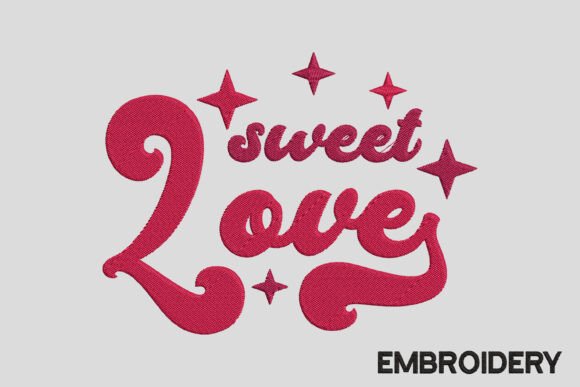
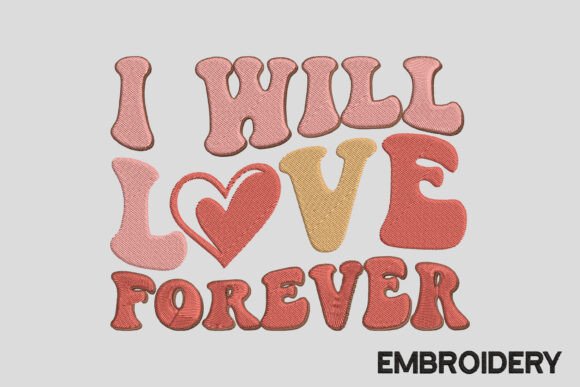
As an embroidery designer who’s developed collections for small clothing brands and Etsy sellers over the past decade, I opened I Will Love Forever Embroidery Valentine with quiet anticipation—not for its holiday theme, but for its visual weight and adaptability. What stands out immediately is its gentle balance: soft curves in the lettering, a subtle heart motif integrated into the “o” of “Love,” and generous negative space that prevents overcrowding on fabric. It reads as timeless rather than trend-driven—neither overly cutesy nor starkly minimalist. There’s warmth in the line rhythm, and a quiet confidence in the stitch flow. For Valentine S Day, it avoids cliché while still carrying emotional resonance—ideal for a boutique brand that values sincerity over sentimentality.
How It Performs Across Real Apparel Surfaces
I Will Love Forever Embroidery Valentine shines where many holiday designs falter: on textured, dimensional, and stretch-prone fabrics. On neutral sweatshirts—think heather grey or oatmeal fleece—it anchors the chest with quiet elegance, especially when stitched in matte cotton thread. On pastel hoodies (dusty rose, sage, or sky blue), the design lifts without shouting; the letterforms hold clarity even at 3.5" wide. I tested a placement mockup on a dark charcoal oversized hoodie: using ecru or light blush thread created enough contrast to read beautifully without needing metallics or underlay tricks.
For sleeve accents on crewnecks or raglans, the design scales down cleanly—no loss of legibility below 2.75". As a back design on a relaxed-fit t-shirt? It works best centered just below the collar seam, where the fabric lies flat and tension stays consistent. Denim jackets welcome it above the left chest pocket—its moderate stitch density avoids stiffness, and the heart detail adds just enough personality without competing with hardware or stitching lines. On canvas tote bags, it holds up well at 4–4.5", particularly when paired with a lightweight cutaway stabilizer to prevent puckering on the weave.
Where Placement and Fabric Matter Most
This isn’t a one-size-fits-all machine embroidery design—and that’s part of its strength. On ribbed fabric (like sweater-knit cuffs or neckbands), I recommend avoiding tight curves near the neckline unless you’re using a tear-away + cutaway hybrid stabilizer. Fleece and brushed cotton respond well, but always test on scrap first: the design’s balanced fill areas don’t overwhelm, yet its delicate loops need support on highly nap-prone surfaces. On curved surfaces—like the rounded shoulder of a cropped sweatshirt—opt for a slightly smaller size (3.25") and adjust hoop placement to minimize distortion.
Tiny lettering isn’t a concern here—the “forever” portion maintains readability even at reduced scale, thanks to clean vector-based digitizing. Still, avoid placing it directly over seams or elasticated bands unless you’ve confirmed thread tension stability on your machine. And on ultra-stretchy performance knits? Add a light layer of film-type stabilizer beneath the fabric to preserve registration and prevent skipped stitches in the tighter curves.
Impact on Brand Identity and Customer Perception
When you choose I Will Love Forever Embroidery Valentine for a small shop product, you’re selecting more than a holiday motif—you’re reinforcing a brand voice that’s grounded, intentional, and emotionally intelligent. Customers scrolling Etsy listings or Instagram feeds notice consistency: same thread palette across sweatshirts, totes, and tees; same refined placement logic; same attention to fabric behavior. That builds buyer trust faster than any tagline.
It also elevates perceived value. A hand-finished embroidered phrase feels inherently more personal than printed text—especially when executed with thoughtful thread color selection (e.g., warm taupe on cream, deep burgundy on navy). For lifestyle product photos, the design photographs cleanly: no glare from dense satin stitches, no shadow pooling in heavy fills. That translates directly to stronger printable mockups and higher-converting social media graphics.
Practical Notes Every Embroidery Designer Should Check
- Test on scrap fabric—especially if working with new garment batches or blended fabrics. Even slight variations in weight or coating affect stitch lay.
- Confirm stabilizer choice before full production. Lightweight cutaway works for most cotton blends; medium-weight cutaway + tear-away combo suits fleece or French terry.
- Review thread color contrast carefully on dark garments. Lighter shades may require a white underlay—but only if the Creative Fabrica embroidery file includes it. Don’t assume.
- Verify hoop size compatibility with your frame system. If the design exceeds 4" in width, double-check whether your standard hoop accommodates it comfortably.
- Inspect stitch density visually in your embroidery software—if the fill areas look overly compact, consider adjusting density settings slightly to reduce fabric stress.
- Test on similar garment fabric, not just muslin. Sweatshirt fleece behaves differently than quilting cotton, and thread pull can vary dramatically.
- Compare placement options across multiple mockups—chest, sleeve, back—to see where the design’s rhythm aligns best with your garment’s silhouette.
- Check Creative Fabrica product details thoroughly: confirm licensing permits commercial embroidery use on finished apparel, and note any included file formats (DST, PES, JEF, etc.) before ordering.
Final Thoughts for Handmade Business Owners
I Will Love Forever Embroidery Valentine doesn’t shout “Valentine S Day.” It whispers intention. That makes it unusually versatile—not just for February, but for year-round gifting collections, bridal party apparel, or even “love letter” capsule lines. For Etsy sellers and small shop owners, it’s a low-risk, high-return digital embroidery file: easy to pair with existing inventory, simple to photograph, and deeply resonant for customers seeking authenticity over flash. When stitched thoughtfully, it transforms a basic sweatshirt into a keepsake. And in today’s handmade market, that kind of emotional connection is what turns first-time buyers into repeat customers.