Soaring Kite Embroidery Design
A Whimsical, Market-Ready Design That Lifts Your Booth
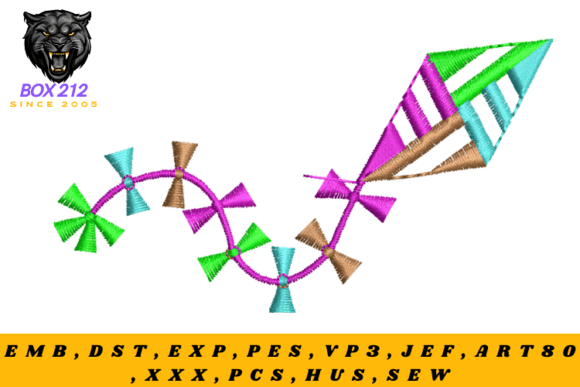
As an embroidery designer who’s packed up 87 craft fairs and built three Etsy shops from scratch, I’ll tell you straight: the Soaring Kite Embroidery Design lands exactly where handmade sellers need it most — in that sweet spot between nostalgic charm and clean, sellable simplicity. First impression? It reads as whimsical, not cutesy; light, not fragile; childlike joy, not childish clutter. That matters — because at a crowded market, customers don’t pause for complexity. They pause for feeling. And this design delivers that lift — literally and emotionally.
Where It Shines: Real Craft Fair Product Pairings
In my booth setup — think embroidered tote bags stacked beside tea towel bundles, aprons hung on reclaimed wood racks, and pillow covers propped on vintage crates — the Soaring Kite Embroidery Design stands out strongest on these items:
- Tote bag design: Centered on natural canvas or oatmeal linen, it reads clearly from 6 feet away — bold enough to catch eyes, soft enough to feel handmade.
- Tea towel embroidery: Works beautifully on medium-weight cotton towels. The kite’s open shape avoids heavy stitch density in tight corners, so it doesn’t pucker or stiffen the fabric.
- Embroidered patch: Perfect scale for iron-on or sew-on patches. Customers love grabbing a handful for kids’ backpacks or denim jackets — low-risk, high-charm impulse buys.
- Small pouches & market bags: Scales down gracefully. At 3–4 inches tall, the kite retains its airy silhouette without losing legibility.
- Apron embroidery: Placed just above the pocket or centered on the bib, it adds personality without overwhelming utility. No tiny details to snag on flour or fabric scraps.
It’s less effective on curved surfaces like caps (unless simplified for low-profile stitching) or ultra-textured fabrics like bouclé or heavy burlap — the whimsy gets lost in the fuzz.
What Makes It Sell — and What Requires Care
This isn’t just another digital embroidery file. It’s a craft fair product with built-in storytelling. Parents smile. Grandparents nod. Teachers point. That emotional resonance translates directly to sales — especially when paired with a handmade product that feels intentional, not generic.
Photographing the Soaring Kite Embroidery Design is straightforward: it pops on light backgrounds, reads cleanly in flat-lay Etsy listings, and holds detail in printable mockups. Its open negative space means shadows fall gently — no muddy edges in natural light. For small shop product consistency, it pairs effortlessly with soft pastels, oatmeals, and muted teals — no clashing thread colors needed.
But here’s where attention matters:
- Dense stitch areas: If the tail includes tightly wound loops or layered fills, test on scrap fabric first — especially for dark fabric, where dense areas can look muddy.
- Small lettering: The description mentions “a standalone piece of a…” — if the design includes text (e.g., “Let Go”), confirm legibility at 2.5" width before cutting into inventory.
- Fabric texture: Avoid highly napped or terry cloth towels — the kite’s clean lines blur. Stick to smooth cotton, linen-cotton blends, or midweight quilting cotton.
- Hoop size & stabilizer: A 4x4 hoop should handle it comfortably. Use medium-weight cutaway stabilizer for structured items (totes, pouches) and tear-away for tea towels and aprons.
Design Assets That Support Your Business — Not Slow It Down
As a working embroidery designer, I judge every machine embroidery design by batch-production practicality. The Soaring Kite Embroidery Design passes: minimal jump stitches, logical thread color changes (3–4 max), and no micro-details that demand re-hooping mid-run. That means you can embroider 20 tote bags in under two hours — critical when prepping for a weekend fair.
It also works as both a small accent (e.g., corner of a pillow cover) and a focal design (centered on a market bag). That versatility multiplies your design assets — one file, multiple SKUs, zero redesign time.
Smart Production Moves Before You Stitch a Single Thread
Don’t skip these steps — they’re what separate profitable booths from stressful ones:
- Test the design on scrap fabric — same type and color as your final product.
- Check thread contrast — especially on off-white or heathered fabrics. A pale yellow kite on cream linen may vanish in shade.
- Review spacing — ensure the kite clears seams, pockets, and hems by at least ¼ inch.
- Confirm hoop size and whether your machine handles the full design in one pass.
- Inspect stitch density visually — zoom in on your embroidery software. Look for overlapping fills or needle-punch clusters.
- Use the right stabilizer — mismatched stabilizer is the #1 cause of puckering on tea towel embroidery and apron embroidery.
- Create at least one real mockup — drape it on your display rack. Does it hold attention next to your other bestsellers?
- Compare fabric colors in daylight and indoor lighting — dye lots shift, and whimsy fades under yellow bulbs.
- Confirm commercial licensing before selling finished products — this is essential for Etsy sellers and boutique makers using the Soaring Kite Embroidery Design in their commercial embroidery line.
Final Thought: Joy Is a Bestseller
The Soaring Kite Embroidery Design doesn’t shout. It floats — and that’s why it converts. In a sea of rustic quotes and minimalist florals, it offers gentle uplift. It fits the Toys category not because it’s literal play, but because it evokes unstructured, sunlit freedom — something buyers want to give, keep, and remember. Whether you’re stitching for a local maker market or scaling a digital embroidery file business, this design earns its place in your collection. Just remember: whimsy sells when it’s grounded in smart execution. Test. Tweak. Then let it soar.