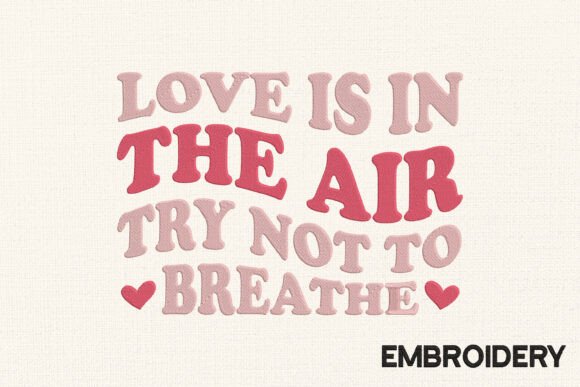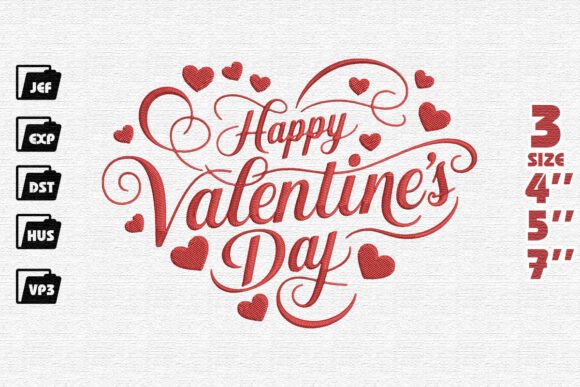
Love-Threaded Heart Embroidery
A Designer’s Real-World Test Before the First Customer Order
As an embroidery designer who’s helped over 200 small shops and Etsy sellers launch personalized gift lines, I opened Love-Threaded Heart Embroidery with one question: “Will this design earn trust—not just on Valentine’s Day, but all year long?” What I found wasn’t just a seasonal motif—it was a quiet, confident little heart that carries emotional weight without shouting. It feels handmade, not mass-produced; romantic, not cliché; delicate, but built for real-life wear.
First Impressions: Sweet, Sincere, and Surprisingly Versatile
The Love-Threaded Heart Embroidery lands softly—no sharp angles or aggressive fills. Its outline is clean, its inner threadwork suggests gentle hand-stitched texture, and the subtle curve of the heart’s dip invites touch. It’s neither ultra-minimalist nor fussy. That balance makes it work across audiences: a new parent choosing baby embroidery for a nursery blanket, a wedding gift designer stitching keepsakes for vow renewals, or an Etsy seller building a “slow love” collection of embroidered totes and pillow covers.
It reads as timeless—not strictly Valentine S Day, though it shines there. You could stitch it in blush thread on ivory linen for a bridal shower towel, or in navy on a charcoal apron for a chef’s anniversary gift. The emotional pull is immediate, but it doesn’t overwhelm the item it’s on. That’s rare—and valuable.
Where This Design Truly Shines (and Why Your Customers Will Notice)
Love-Threaded Heart Embroidery isn’t just pretty—it’s purpose-built for meaningful personalization. Here’s how it performs across your most-requested product categories:
- Baby embroidery: Perfect for onesies, burp cloths, and organic cotton blankets—its compact scale (check your hoop size before stitching) avoids bulk while still reading clearly at arm’s length.
- Wedding gift & keepsake use: Stitch it onto linen napkins, guestbook covers, or silk ribbon bookmarks. Paired with soft thread colors, it signals intention—not just decoration.
- Nursery decor & custom towels: Works beautifully on terry cloth (with proper stabilizer), especially when placed near hems or corners. The design’s open structure avoids stiffness—even after repeated washing.
- Pillow covers & tote bags: Holds up well on medium-weight canvas and cotton duck. Its balanced stitch density prevents puckering, and the shape frames nicely inside standard embroidery hoops.
- Aprons & kitchen linens: A thoughtful detail above the pocket or along the hem—adds warmth without compromising function.
- Etsy listings & craft fair products: Photographs exceptionally well. Even on a simple white background, the heart draws the eye and invites story-telling in your product description.
Where to Proceed With Care
This isn’t a “stitch-and-forget” file—and that’s a good thing. Thoughtful execution is part of what makes the finished product feel premium. Use caution on:
- Stretchy fabrics (like ribbed baby knits): Requires cutaway stabilizer + basting spray. Test first—the heart’s curves can distort if tension isn’t dialed in.
- Textured or napped fabrics (terry, fleece, bouclé): May obscure fine interior details. Consider simplifying thread colors or slightly enlarging the design if clarity suffers.
- Dark fabric: Light thread colors may lack contrast. Always run a printable mockup or physical test swatch—don’t rely on screen previews alone.
- Curved surfaces (mugs, curved tote straps, rounded pillow edges): Best placed on flat panels. Avoid wrapping around tight curves unless you’ve tested hooping stability.
- Frequent-wash items (kitchen towels, baby blankets): Confirm your thread colors are colorfast—and reinforce with a light tear-away stabilizer layer underneath for longevity.
Why This Design Builds Trust—Before the First Stitch
Customers don’t buy embroidery files—they buy meaning, care, and confidence. When you offer a Love-Threaded Heart Embroidery-enhanced product, you’re signaling three things: you pay attention to detail, you value emotional resonance over trend-chasing, and you stand behind quality craftsmanship.
That perception lifts perceived value instantly. A $28 embroidered towel becomes a $42 “heirloom-style gift.” A $16 pillow cover transforms into a “wedding keepsake.” That shift happens because the design feels intentional—not decorative filler.
For Etsy sellers and small shop owners, this also strengthens buyer engagement. Shoppers linger longer on listings featuring this heart. They imagine gifting it. They picture it in their home. And they’re more likely to click “add to cart” when the photo shows the heart stitched cleanly on a natural fabric swatch—not floating on a generic white background.
Your Practical Checklist Before Production
Before stitching your first customer-ready piece, do these five things:
- Test on scrap fabric that matches your intended product—especially for texture, weight, and stretch.
- Check thread color contrast in natural light, not just under studio bulbs. Soft pinks and creams can fade visually on off-white linen.
- Confirm hoop size compatibility—some versions of this machine embroidery design may require 4x4 or 5x7 hoops. Don’t assume.
- Review stitch density in your embroidery software. If it looks overly dense for lightweight fabric, adjust underlay or reduce fill density slightly.
- Verify commercial licensing before selling finished products. Since this is a digital embroidery file, ensure your purchase includes rights for small business use.
And one final note: pair Love-Threaded Heart Embroidery with thoughtful packaging—a handwritten note, a reusable cotton drawstring bag, or a simple twine-tied tag—and you’re not just selling a personalized gift. You’re delivering a moment of quiet sincerity. That’s what keeps customers returning long after Valentine S Day has passed.